కవి గురించి
About Professor Madiraju Ranga Rao — Telugu Poet & Scholar
The life, scholarship, and enduring contributions of Dr. Madiraju Ranga Rao to Telugu literature.
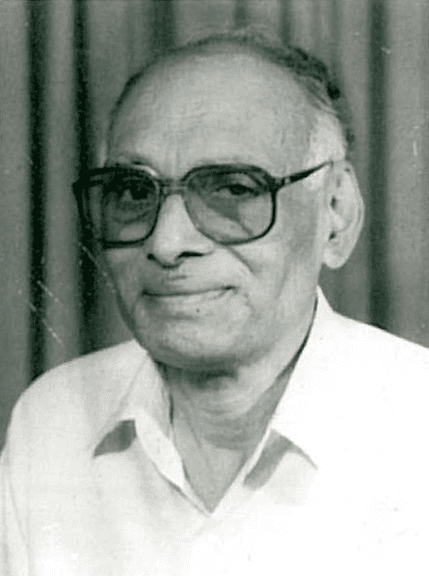
Quick Facts
- Born
- June 8, 1935
- Birthplace
- Pandithapuram, Yellandu, Khammam
- Father
- Sri. Madiraju Narayana Rao
- Mother
- Smt. Madiraju Lakshmi Devi
- Wife
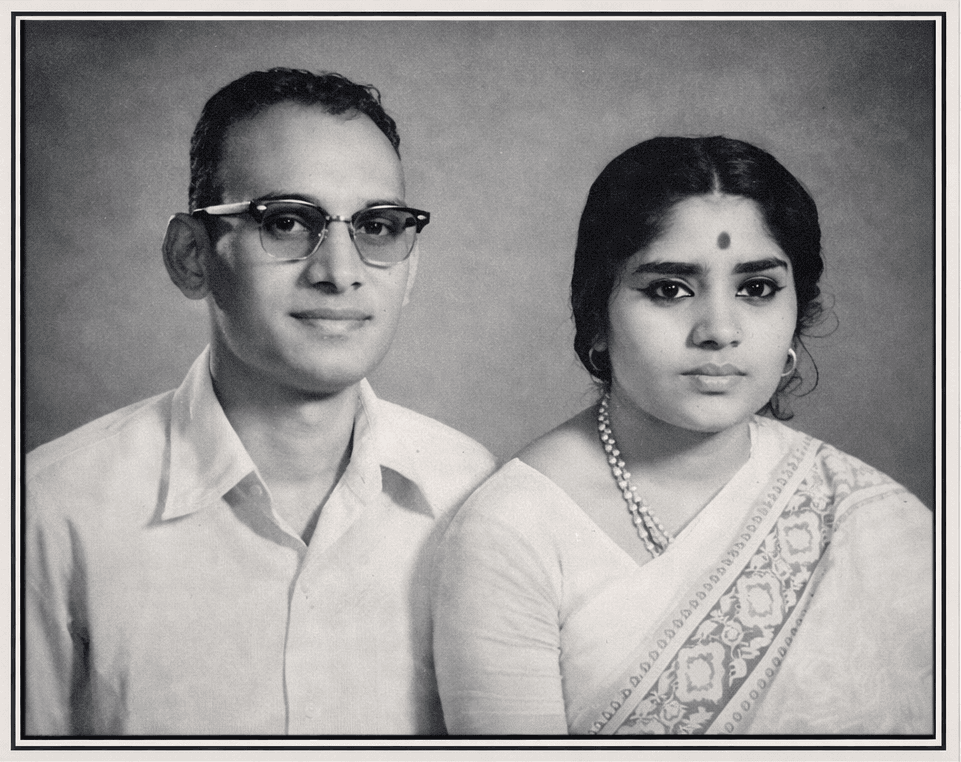
- Smt. Madiraju Indira
- Passed Away
- June 21, 2025
- Nationality
- Indian
A Lifetime Devoted to Telugu Literature
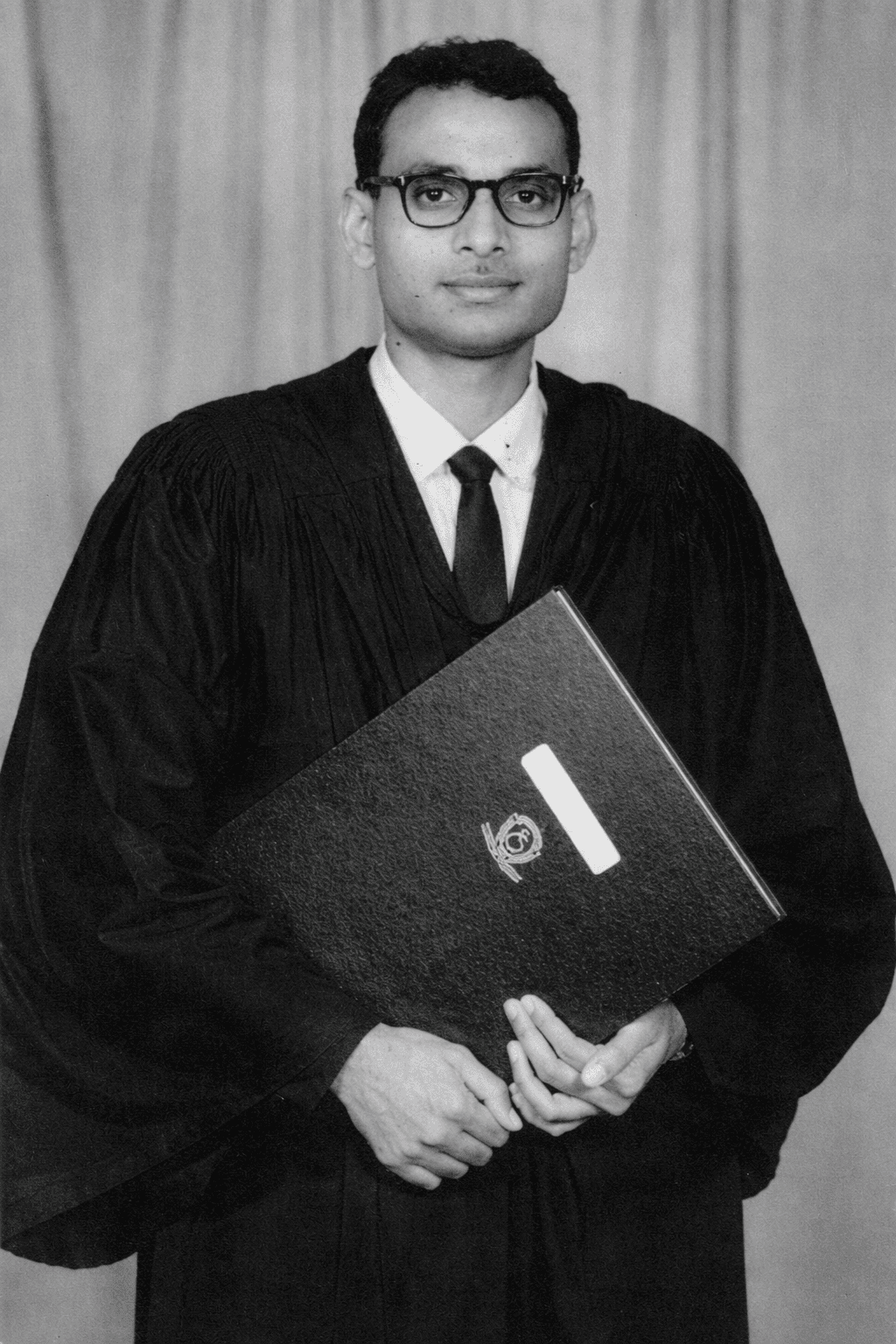
Prof. Madiraju Ranga Rao was an accomplished Telugu and Sanskrit scholar who earned his doctorate from Osmania University. Rising to the positions of Senior Professor and Dean in major academic institutions, he remained defined by his gentle temperament, humility, and unwavering commitment to scholarship.
He championed Swecchaa Kavitvamu (free verse poetry), believing it suited democratic times better than traditional metrical verse. He published one free verse poetry collection monthly for decades, producing approximately 160 Telugu free verse poetry collections and 20 literary criticism books.
His poetic style has been compared to the metaphysical poetry of John Donne — emphasizing conceptual depth over incidents, with each line functioning as a philosophical definition. He approached his literary work as a spiritual practice, maintaining detachment from worldly acclaim.
Early Life and Background
Madiraju Ranga Rao was born on 8 June 1935[1] in Pandithapuram, Yellandu, Khammam district — a region with deep roots in Telugu cultural and literary tradition. Growing up in a family that valued learning and letters, he developed an early affinity for language and classical Sanskrit literature that would shape his entire scholarly career.
From his formative years, he demonstrated exceptional academic aptitude, eventually pursuing higher studies at Osmania University, Hyderabad — one of the premier centres of Telugu and Sanskrit scholarship in India. This foundation in both classical and modern literary traditions gave him the breadth of perspective that defined his lifelong contribution to Telugu literature.
Education
M.A. in Sanskrit
Osmania University, 1960
M.A. in Telugu
Osmania University, 1962
First in first class
Ph.D. in Telugu
Osmania University, 1966
Thesis: "Concept and Practice of Poetry of Kavitrayamu"
Academic Career
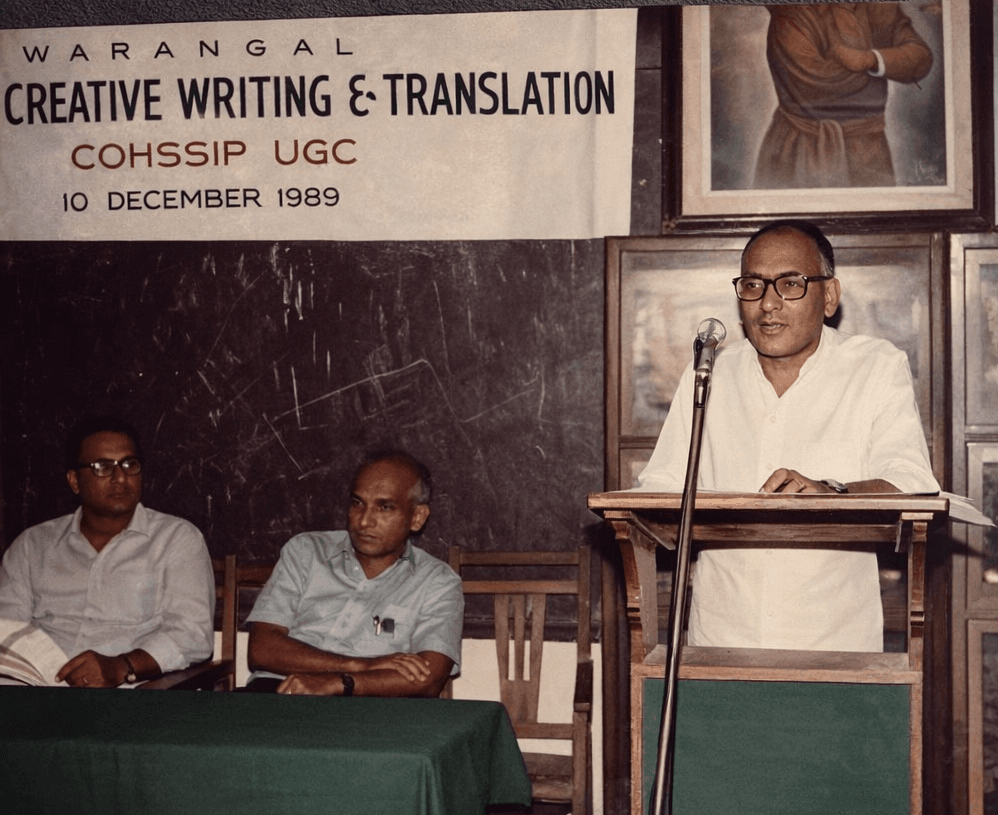
Dr. Ranga Rao served on the faculty of Osmania University(1964–68) and Kakatiya University(1968–95), where he rose to the position of Senior Professor and Dean[7].
During his distinguished tenure, he mentored 12 M.Phil and 10 Ph.D. scholars, shaping the next generation of Telugu literary scholarship.
His scholarly work spanned classical literature, Indian poetics, modern poetry, novels, criticism, and studies in Sanskrit literature.
Research & Contributions
- Principal Investigator for two UGC-sponsored research initiatives on democracy and free-verse poetry
- Senior Fellow, Department of Culture, Government of India
- Editorial committee member for critical editions of Andhra Maha Bhagavatham and Andhra Maha Bharathamu
- Founder and editor of Rasadhuni Sahithi Parishat literary journal
- Published 160 poetry collections, over 20 literary criticism books and 100s of literary essays across various journals including Bharathi, Swatantra and Navatha
Literary Philosophy
Dr. Ranga Rao articulated poetry's layered construction: imagination with reality, sensuous beauty, philosophical depth, and divine transcendence. He composed what may be called “metaphysical poetry” — emphasizing conceptual depth over incidents.
He believed that free verse was the natural literary expression of a democratic society, and devoted his life to proving this through his prolific output. His children established the Madiraju RangaRao Literature Center, which awards annual prizes to distinguished Telugu and Sanskrit scholars. View his full list of awards and honours.
Legacy and Literary Estate
Prof. Madiraju Ranga Rao passed away on 21 June 2025[2], leaving behind one of the most prolific bodies of work in modern Telugu literature. His family established the Madiraju RangaRao Literature Center, which awards annual prizes to distinguished Telugu and Sanskrit scholars, ensuring that his commitment to literary excellence continues across generations.
His complete poetic works — nine volumes of Swecchaa Kavitvamu and four addendum collections totalling over 160 individual poetry collections[3][4] — are preserved and freely available on this digital archive. His literary criticism works and full honours are documented across this site as a permanent record of his contribution to Telugu letters.
Sources & References
All factual claims on this page are supported by primary or secondary sources. Superscript numbers in the text [n] correspond to the numbered references below.
- Official RecordMadiraju Ranga Rao (Q6727811) — Structured Authority Record, Born 8 June 1935Wikidata — Wikimedia Foundation1935Accessed 2026-07-21English
- ArchiveMadiraju Ranga Rao — Death Record, 21 June 2025 (aged 90)Wikipedia (English) — Wikimedia Foundation2025Accessed 2026-07-21English
- ArchiveMadiraju Ranga Rao — Author Catalogue Record (160+ Poetry Collections)Open Library — Internet Archive2025Accessed 2026-07-21English
- ArchiveSwecchaa Kavitvamu — Telugu Free Verse Catalogue (Volumes I–IX and individual collections)Wikipedia (Telugu) — Wikimedia Foundation2000Accessed 2026-07-21తెలుగు
- ArchiveBest Teacher Award (1992), Kakatiya University — Awards RecordWikipedia (English) — Wikimedia Foundation1992Accessed 2026-07-21English
- ArchiveBest Modern Poetry Award (1993), Potti Sreeramulu Telugu University — Awards RecordWikipedia (English) — Wikimedia Foundation1993Accessed 2026-07-21English
- AcademicAcademic Career — Osmania University (1964–68) and Kakatiya University (1968–1995), Senior Professor and DeanWikipedia (English) — Wikimedia Foundation1968Accessed 2026-07-21English
- AcademicUGC-Sponsored Research Projects on Telugu Free Verse and Critical-Edition Editorial RolesWikipedia (English) — Wikimedia Foundation1995Accessed 2026-07-21English
- ArchiveSenior Fellow (2004–2006), Department of Culture, Government of IndiaWikipedia (English) — Wikimedia Foundation2004Accessed 2026-07-21English
- AcademicProlific Telugu Writer cum Academic: Prof Madiraju Ranga Rao — Special FeatureMuse India — Literary e-Journal, Issue 1272026-05Accessed 2026-07-21English
- AcademicCritical Works on Telugu Free Verse — Bibliography of Literary Criticism (20+ Titles)Wikipedia (English) — Wikimedia Foundation2025Accessed 2026-07-21English
- PressFace To Face Interview With Prof. Madiraju Ranga Rao on the World Telugu ConferenceV6 News Telugu — Television Interview2017-12-08Accessed 2026-07-21తెలుగు
Where source URLs are pending estate confirmation, they are marked accordingly. All sources will be verified and linked as the estate provides them. To report an inaccuracy or supply a verified URL, contact the estate.
Watch on YouTube
The official YouTube channel features poetry recitations, kavi sammelanam events, interviews, and tributes. Subscribe to follow new releases as the archive grows.
Explore his scholarly analytical works
Read Literary Criticism WorksFrequently Asked Questions
Who is Madiraju Ranga Rao?
Prof. Madiraju Ranga Rao (1935–2025) was a renowned Telugu poet, literary critic, and scholar. He earned his Ph.D. from Osmania University and served as Senior Professor and Dean at Kakatiya University (1968–1995). He is best known for pioneering the Swecchaa Kavitvamu (free verse poetry) movement in Telugu literature.
What is Prof. Madiraju Ranga Rao known for?
He is recognized for contributions to modern Telugu literature, free verse poetry, literary criticism, and academic scholarship. His literary works reflect emotional depth, philosophical reflection, and social awareness. He authored 160+ poetry collections and 20+ literary criticism books.
Where did Madiraju Ranga Rao teach?
Prof. Madiraju Ranga Rao served on the faculty of Osmania University (1964–68) and Kakatiya University (1968–95), where he rose to Senior Professor and Dean. He mentored 12 M.Phil and 10 Ph.D. scholars during his distinguished career.
Where was Madiraju Ranga Rao born?
Madiraju Ranga Rao was born on 8 June 1935 in Pandithapuram, Yellandu, Khammam district, in present-day Telangana, India. He pursued his higher education at Osmania University, Hyderabad, where he earned his M.A. in Sanskrit (1960), M.A. in Telugu (1962, first in first class), and Ph.D. in Telugu (1966).
What awards did Madiraju Ranga Rao receive?
Prof. Madiraju Ranga Rao received the Best Teacher Award from the Government of Andhra Pradesh (1992), the Best Modern Poetry Award from Telugu University, Hyderabad (1993), a Senior Fellowship from the Department of Culture, Government of India (2004–06), and State Government recognition for eminent contributions to Telugu literature (2017).
What is the Madiraju RangaRao Literature Center?
The Madiraju RangaRao Literature Center is a literary institution established by the family of Prof. Madiraju Ranga Rao following his passing on 21 June 2025. It awards annual prizes to distinguished Telugu and Sanskrit scholars, continuing his lifelong commitment to promoting literary excellence in the Telugu tradition.
What was Madiraju Ranga Rao's educational background?
Prof. Madiraju Ranga Rao earned three degrees from Osmania University, Hyderabad — M.A. in Sanskrit (1960), M.A. in Telugu (1962, first in first class), and Ph.D. in Telugu (1966) with a thesis on the concept and practice of poetry of the Kavitrayamu. This dual grounding in classical Sanskrit prosody and modern Telugu literature became the defining intellectual signature of his entire poetic and critical career.
What was Madiraju Ranga Rao's academic and professional career?
Prof. Madiraju Ranga Rao served on the faculty of Osmania University (1964–68) and Kakatiya University (1968–95), rising to Senior Professor and Dean. Alongside teaching, he was Principal Investigator on two UGC research projects, Senior Fellow of the Department of Culture, Government of India, founder–editor of the Rasadhuni Sahithi Parishat journal, and editorial-committee member for critical editions of Andhra Maha Bhagavatham and Andhra Maha Bharathamu.
Who did Madiraju Ranga Rao mentor, and what was his literary influence?
Across his Kakatiya University tenure, Prof. Madiraju Ranga Rao mentored 12 M.Phil. and 10 Ph.D. scholars, shaping a generation of Telugu literary research. By championing Swecchaa Kavitvamu — the free verse movement — over rigid classical prosody, he gave successive Telugu poets the philosophical permission and formal vocabulary to write freely, and his 160+ collections remain a definitive touchstone for contemporary Telugu literature.
When did Madiraju Ranga Rao pass away?
Prof. Madiraju Ranga Rao passed away on 21 June 2025 at the age of 90, having dedicated nine decades to Telugu literature and the Swecchaa Kavitvamu free verse movement. His passing concluded a creative career spanning 160+ poetry collections and 20+ literary criticism works. The digital archive at madirajurangarao.com preserves his complete literary legacy for readers and scholars worldwide.
Who was the Telugu free verse poet from Khammam?
Professor Madiraju Ranga Rao (1935–2025) was a Telugu free verse poet from Pandithapuram, Khammam district, Telangana. He served as a faculty member at Kakatiya University in Warangal and authored over 160 poetry collections under the title Swecchaa Kavitvamu (స్వేచ్ఛా కవిత్వము), making him one of the most prolific free verse poets in Telugu literature.